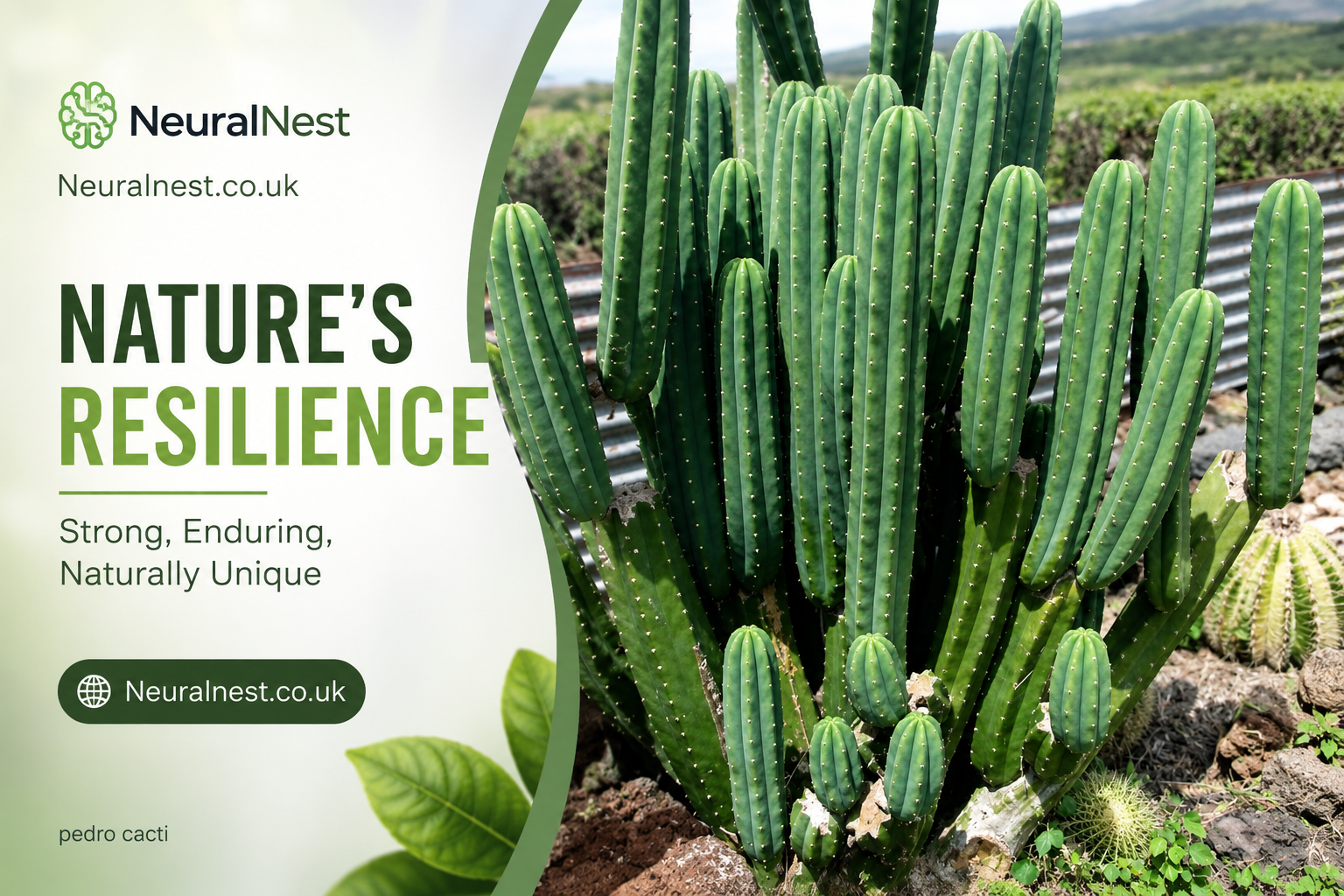

Searching for san pedro cacti and getting overwhelmed by mixed information, sketchy sellers, and conflicting legal claims? You’re not alone.
This towering, fast-growing, incredibly hardy cactus has become one of the most searched columnar cacti in the U.S. — collectors love it for its dramatic architectural shape, its rarity compared to typical nursery cacti, and its deep ethnobotanical history in South America. But between confusing legal language, low-quality sellers, and seed listings that don’t germinate, actually buying and growing one successfully trips up a lot of first-time buyers.
Whether you’re a succulent collector expanding your garden, a landscape designer sourcing a statement plant, or simply curious about this striking cactus, this guide covers everything: what it is, where to legally buy san pedro cacti seeds and plants, how to grow one successfully, and the mistakes that trip up most first-time buyers.
What Is San Pedro Cactus?
San Pedro cactus (botanical name Echinopsis pachanoi, formerly Trichocereus pachanoi) is a fast-growing, columnar cactus native to the Andes mountains of Ecuador and Peru.
It’s prized in the horticultural world for a few specific reasons:
- Rapid growth — it can grow over a foot per year under good conditions, unusually fast for a cactus
- Cold tolerance — hardier than most columnar cacti, surviving light frost
- Architectural form — tall, ribbed, blue-green columns that make a bold landscaping or container statement
- Easy propagation — grows readily from both seeds and cuttings
It’s closely related to Peruvian torch cactus (Echinopsis peruviana) and Bolivian torch cactus (Echinopsis lageniformis), which are often sold alongside it and sometimes confused with it. & more blogs fresh .
mature San Pedro cactus in a garden landscape setting Alt text: “san pedro cacti growing outdoors in a landscape garden”
History and Cultural Background
San Pedro cactus has a documented history stretching back thousands of years in Andean South America, where it appears in pottery and iconography from pre-Columbian cultures, including the Chavín civilization.
Today, it’s grown worldwide primarily as an ornamental and collector’s cactus — valued by botanical gardens, succulent enthusiasts, and landscapers for its unusual growth habit and low maintenance needs, similar to how cacti like the Peruvian apple cactus are grown purely for their form and structure.
Is It Legal to Buy San Pedro Cacti in the U.S.?
This is the most searched question around this plant, and the honest answer has some nuance.
Buying, owning, and growing San Pedro cactus as an ornamental plant is legal in the United States. Nurseries, botanical suppliers, and seed vendors sell it openly, the same way they sell any other columnar cactus.
Where the legal line exists is around the plant’s naturally occurring alkaloid content, which is federally controlled to extract or consume. This article focuses strictly on the plant as a legal ornamental and horticultural specimen — we don’t cover extraction, preparation, dosing, or consumption, and we’d strongly encourage anyone with questions about that gray area to consult an attorney familiar with their state’s plant and controlled-substance laws before doing anything beyond growing it as a garden plant.
Always check your specific state’s regulations, since a small number of states restrict cultivation more tightly than federal law does.
Where to Buy San Pedro Cacti (Seeds vs. Live Plants)
Buying Seeds
San pedro cacti seeds are the most affordable entry point and the best option if you enjoy the growing process from scratch.
What to look for in a seed seller:
- Recent harvest date (seed viability drops significantly after 12–18 months)
- Clear botanical labeling (Echinopsis pachanoi, not just “San Pedro” generically)
- Verified customer reviews specifically mentioning germination success
- Transparent seed count and price per seed
Buying Live Plants or Cuttings
If you want faster results, buying an established cutting or rooted plant skips the 6–12 month seedling stage entirely.
What to look for:
- Healthy, firm, unblemished columns (avoid soft or discolored spots — a sign of rot)
- Root Confirmation if buying a “rooted” cutting, not just a fresh cut
- Reputable succulent nurseries or specialty cactus vendors with clear return/replacement policies
Comparison Table: Seeds vs. Live Cuttings
| Factor | Seeds | Live Cuttings |
|---|---|---|
| Cost | Low | Moderate to high |
| Time to mature size | 3–7 years | 1–3 years |
| Skill required | Moderate (germination know-how) | Low |
| Genetic variety | Higher (seed-grown) | Lower (clone of parent) |
| Best for | Hobbyist growers, collectors | Landscaping, quick results |
Why This Matters
Buying from a reputable, transparent seller isn’t just about avoiding a wasted purchase — it protects you from mislabeled species, poor germination rates, and unhealthy stock that can introduce pests to your existing collection.
The San Pedro cactus market has grown quickly over the past decade, and with that growth has come a wave of low-quality sellers on marketplace sites offering vague “cactus seed mix” listings with no botanical verification. Knowing exactly what to look for — and what a healthy specimen actually looks like — is the difference between a thriving 10-foot garden centerpiece and a disappointing pot of unidentified seedlings.
How to Grow San Pedro Cactus: Step-by-Step Care Guide
- Choose the right soil. Use a fast-draining cactus/succulent mix — regular potting soil holds too much moisture and causes root rot.
- Pick a sunny location. San Pedro cactus thrives in full sun to partial shade; young seedlings need some shade protection initially.
- Water sparingly. Water deeply, then let soil dry out completely before watering again — typically every 1–2 weeks in growing season, far less in winter.
- Maintain proper temperature. It tolerates light frost but grows best between 60–90°F; bring container plants indoors before hard freezes.
- Fertilize lightly. A diluted cactus-specific fertilizer once or twice during the spring/summer growing season is sufficient.
- Repot as needed. Move to a larger container every 2–3 years, or when roots begin circling the pot base.
- Watch for pests. Mealybugs and spider mites are the most common issues — treat early with insecticidal soap.
Expert Tip
Established growers recommend starting seeds indoors in a humidity dome, since consistent moisture and warmth during the first few weeks dramatically improves germination rates compared to outdoor sowing.
Pros and Cons of Growing San Pedro Cactus
| Pros | Cons |
|---|---|
| Extremely fast-growing for a cactus | Can grow very tall, requiring space planning |
| Cold-hardy compared to most columnar cacti | Legal gray areas around use beyond ornamental growing |
| Low maintenance once established | Slow from seed (years to reach mature height) |
| Striking, architectural garden feature | Susceptible to rot if overwatered |
Common Mistakes Buyers Make
- Overwatering — the single most common cause of San Pedro cactus death, especially in containers without drainage holes.
- Buying unlabeled “mystery” seeds — always confirm the botanical name before purchasing.
- Planting in regular potting soil — this retains too much water for cactus root systems.
- Ignoring state-specific legal nuances — regulations can differ from general federal guidance, so it’s worth a quick check before buying in bulk.
- Choosing the cheapest seed listing without reviews — often results in low or zero germination rates.
Expert Recommendations
- For beginners: Start with a live cutting rather than seeds — it removes the germination variable and gives you a much higher success rate on your first attempt.
- For collectors: Source seeds from vendors who specialize specifically in Echinopsis species rather than general succulent sellers, for better genetic accuracy.
- For landscapers: Confirm your local frost line before planting directly in the ground; container growing offers more flexibility in colder climates.
- For everyone: Photograph and document your plant’s growth stages — San Pedro cactus growth is dramatic enough that a year-over-year comparison is genuinely satisfying to track.
Conclusion
San Pedro cactus has earned its reputation as one of the most rewarding columnar cacti for collectors and landscapers alike — fast-growing, cold-hardy, and genuinely striking once established. The key to success isn’t complicated: buy from a transparent, reputable seller, use proper cactus soil, water sparingly, and be patient with growth timelines, especially from seed.
Now you have a complete, accurate picture of what to look for whether you’re buying san pedro cacti seeds or an established live plant — and how to help it thrive once it’s home.
FAQs
Is it legal to buy San Pedro cactus seeds in the U.S.?
Yes, buying, growing, and owning San Pedro cactus as an ornamental plant is legal in the United States; check your specific state for any additional regulations.
How long does it take to grow San Pedro cactus from seed?
It typically takes 3–7 years to reach a substantial mature size from seed, though growth rate depends heavily on light, temperature, and care.
What’s the difference between San Pedro and Peruvian torch cactus?
They’re closely related Echinopsis species with similar growth habits, but Peruvian torch (E. peruviana) tends to have more pronounced spines and a slightly different rib structure.
Can San Pedro cactus survive winter outdoors?
It tolerates light frost and short cold snaps better than most columnar cacti, but extended hard freezes can damage or kill it, especially young plants.
Do San Pedro cactus seeds need special treatment to germinate?
Consistent warmth (70–80°F) and humidity significantly improve germination; many growers use a humidity dome or plastic covering for the first few weeks.
Where is the best place to buy San Pedro cacti for sale?
Specialty cactus and succulent nurseries with verified reviews and clear botanical labeling are generally more reliable than unverified marketplace listings.
In Short
- San Pedro cactus (Echinopsis pachanoi) is a fast-growing, cold-hardy columnar cactus native to the Andes.
- Buying and growing it as an ornamental plant is legal in the U.S., though state regulations can vary.
- Seeds are cheaper but take years to mature; live cuttings grow faster but cost more upfront.
- Well-draining soil and careful watering are the two biggest factors in successful growth.
- Reputable, botanically-verified sellers dramatically improve both germination rates and plant health.